Leak diagnosis and repair
We trace the source with a boroscope and infrared camera, clear the condensate line, and repair or replace the drain pan. The leak is stopped before drying begins.
When your air handler drips through the ceiling, HVAC Leak Water Damage Port Orange FL crews stop the water, extract it, and dry the structure before mold starts. We handle AC leak repair in Port Orange, Florida for homeowners in Volusia County, from Spruce Creek to Dunlawton. Call now and we roll a truck today.
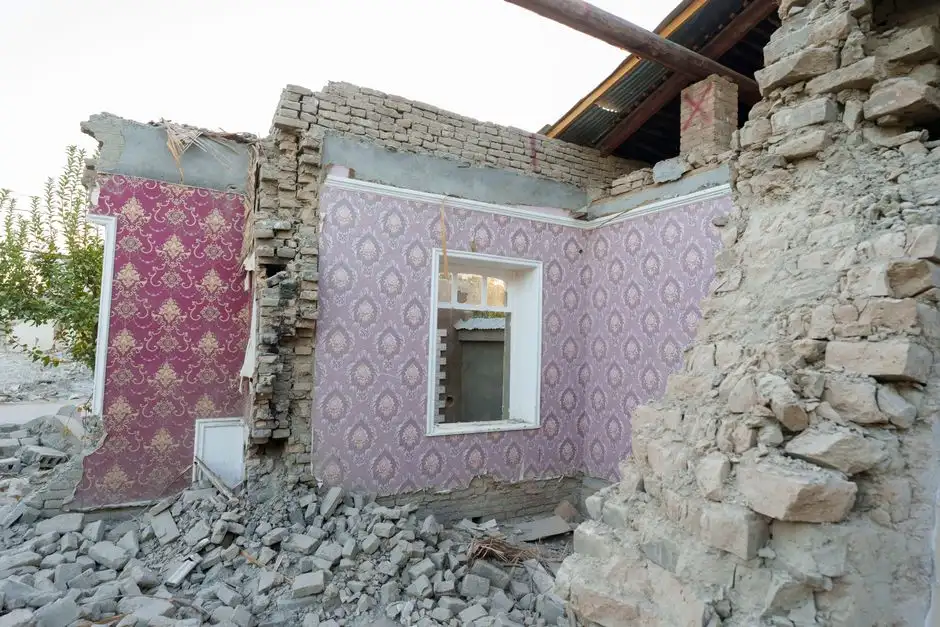
HVAC Leak Water Damage Port Orange FL is the process of stopping a condensate or refrigerant-line leak, extracting the standing water, and drying the building materials it soaked. A clogged condensate drain, a cracked drain pan, or a frozen coil that thaws overnight can push 5 to 20 gallons into a ceiling, wall cavity, or closet in a single afternoon. We find the source, repair the drain line, and dry the structure to ANSI/IICRC S500 standards.
Port Orange homes run their AC nine or ten months a year, so condensate lines clog with algae and dust fast. That is why we get so many calls for AC leak repair near me Port Orange during the first hot week of spring and again after a rainy stretch. If you see a ceiling stain, a wet baseboard, or a musty smell near the air handler, call us before the drywall sags.
Every job includes leak diagnosis, water extraction, structural drying, and daily moisture checks. We also handle antimicrobial treatment and insurance documentation. If repairs go beyond drying, like replacing drywall or flooring, we quote those separately before starting.
We trace the source with a boroscope and infrared camera, clear the condensate line, and repair or replace the drain pan. The leak is stopped before drying begins.
Standing water comes out with a wet/dry vacuum and truck-mount extraction unit. Soaked carpet padding is pulled and bagged for disposal.
Air movers and dehumidifiers run until drywall, framing, and flooring hit dry standard. We check with a moisture meter daily and adjust equipment placement.
We apply antimicrobial solution to wet framing and drywall within the first 24 hours to prevent mold growth in Port Orange's humid climate.
Every day we log readings with a hygrometer and thermal imaging camera. You get a copy of the drying log for your records and your insurance claim.
Photos, moisture readings, and Xactimate line items are compiled into a report your adjuster can process without back-and-forth.
You call, we ask three questions: where is the water, is the AC still running, and is the ceiling sagging. We dispatch a tech with a water extraction unit and moisture meter. Most Port Orange addresses get a truck in 60 to 90 minutes.
We shut off the air handler and trace the source with a boroscope and infrared camera. Nine times out of ten it is a clogged condensate drain or a cracked pan. We clear the line, repair the pan, and confirm the leak is stopped before we dry anything.
Standing water comes out with a wet/dry vacuum and truck-mount extraction unit. Carpet padding that is soaked through gets pulled and bagged. This step usually takes 1 to 3 hours depending on how far the water spread.
We set Dri-Eaz air movers and Phoenix dehumidifiers to dry the ceiling, walls, and flooring. Expect 3 to 5 days of equipment run time. We check readings daily and adjust until materials hit dry standard.
We take final moisture readings, confirm the AC drain is flowing, and hand you a drying report with photos. If mold is present, we refer you to a licensed mold assessor and schedule remediation.
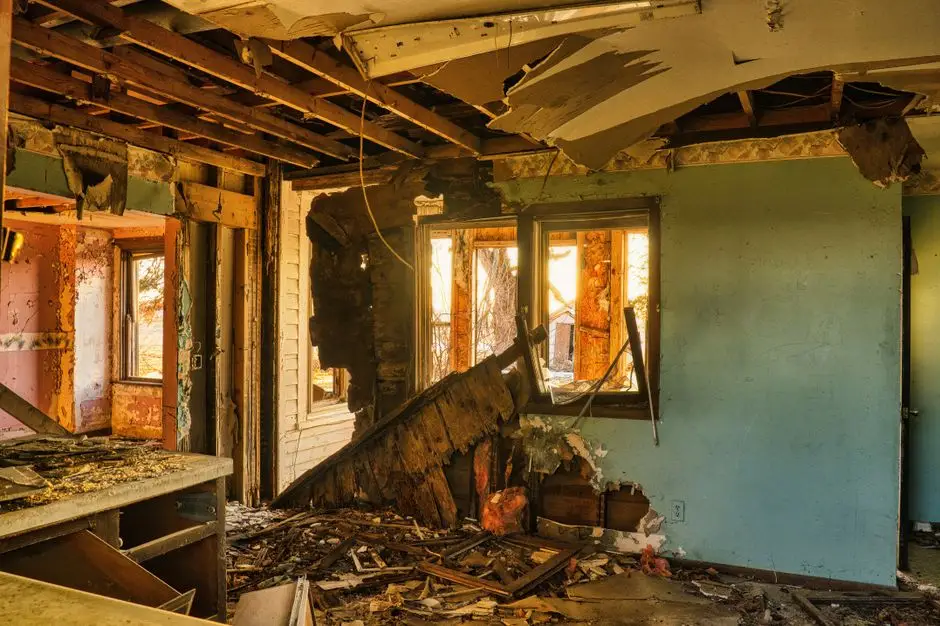
You call, we ask three questions: where is the water, is the AC still running, and is the ceiling sagging. We dispatch a tech with a water extraction unit and moisture meter. Most Port Orange addresses get a truck in 60 to 90 minutes.
Pin and pinless meters measure water content in drywall, wood, and concrete. We use them to find hidden moisture and confirm dry standard.
Infrared cameras show temperature differences that reveal water behind walls and under floors without cutting.
A flexible camera lets us see inside wall cavities and drain pans to find the exact leak source.
High-velocity air movers evaporate moisture from wet surfaces so dehumidifiers can pull it out of the air.
Refrigerant and desiccant dehumidifiers remove hundreds of pints of water per day from the air.
Truck-mount and portable units pull standing water from carpet, hardwood, and concrete fast.

A clogged condensate line overflowed the pan and dripped through the ceiling into a bedroom. The ceiling was stained and sagging, and the carpet was wet across a 10-foot area.
After: We cleared the line, extracted 8 gallons of water, cut out the wet drywall, and dried the framing for 4 days. New drywall was installed and painted. Final moisture readings were normal.
Book this service →A rusted drain pan leaked slowly for weeks. The baseboards were wet, the carpet padding was soaked, and there was a musty smell in the hallway.
After: We replaced the pan, pulled the wet padding, dried the slab and baseboards in 3 days, and treated for mold. The musty smell was gone after one hydroxyl treatment.
Book this service →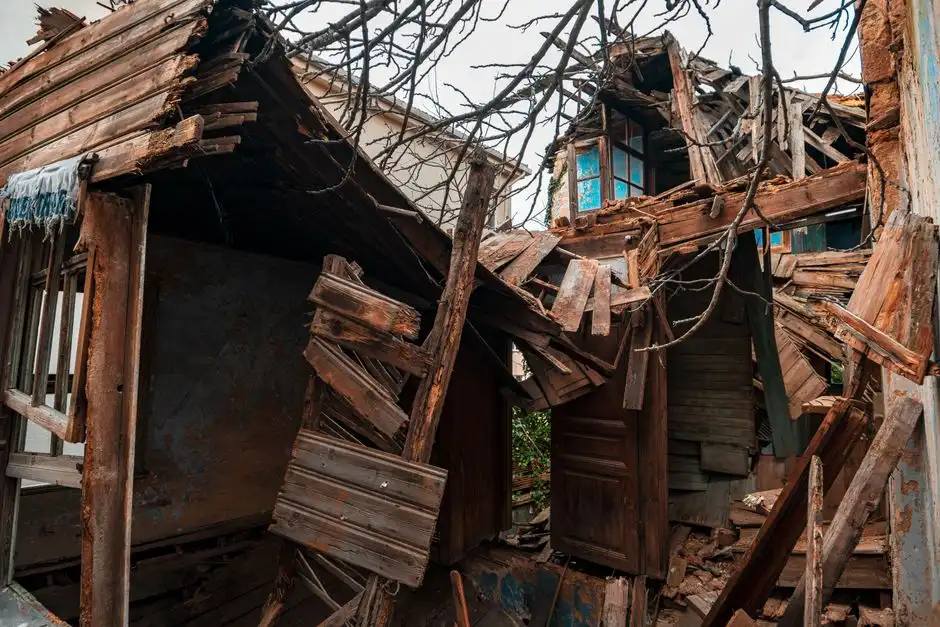
An AC leak dripped into the crawl space for months. The joists were damp, insulation was sagging, and the house smelled musty.
After: We pumped 30 gallons of water, dried the joists and subfloor for 5 days, replaced the insulation, and installed a vapor barrier. Moisture readings dropped to normal.
Book this service →Most AC leaks start small and get ignored until the damage is visible. Here are the problems we see most often and how we fix them.
Ask a pro →We find the source, stop the leak, cut out the wet drywall, dry the framing, and replace the ceiling. Most repairs are done in 3 to 5 days.
We dry the area, apply antimicrobial solution, and test for mold. If remediation is needed, we handle it under our Florida Mold-Related Services License.
We pull the padding, extract water from the carpet, dry the slab, and reinstall or replace the padding to match. Most jobs take 3 days.
We use thermal imaging and moisture meters to find hidden water behind walls and under floors, then dry and document the damage.
Most residential jobs run $800 to $2,800 in 2026, depending on how much water spread and how many days of drying are needed. A small closet leak with 1 to 2 days of drying sits near the low end. A ceiling and wall cavity with 4 to 5 days of equipment runs higher. We give you a written price before we start.
The most common cause is a clogged condensate drain line. Port Orange's humidity grows algae in the line fast, and when it blocks, water backs up and overflows the pan. Other causes include a cracked drain pan, a frozen coil that thaws, or a dirty filter that ices the evaporator. We diagnose the exact cause on site.
Leak repair and extraction take 2 to 4 hours on a typical job. Structural drying runs 3 to 5 days with air movers and dehumidifiers running around the clock. We check moisture daily and pull equipment as soon as materials hit dry standard, not a day later.
Yes. Mold can start growing on wet drywall and framing within 24 to 48 hours in Florida's climate. That is why we apply antimicrobial solution on day one and dry aggressively. If mold is already visible, we bring in a licensed mold assessor and handle remediation under our Florida Mold-Related Services License.
Water is still spreading while you read this. Call our Port Orange crew at +1 (386) 123-4567 and we will dispatch a tech with a moisture meter and extraction unit. Same-day service, 24/7, licensed and insured.
Call now +13861234567 →Call us any time, day or night. We answer 24/7 and dispatch crews across Port Orange and Volusia County. Most addresses see us within 60 minutes. You can also email us for non-emergency questions or to schedule an inspection.