Full Infrared Scan
We walk every affected room and adjacent space with an infrared camera, scanning walls, ceilings, and floors for temperature anomalies that signal hidden moisture.
Moisture Mapping & Thermal Imaging Port Orange FL locates water you cannot see: behind drywall, under hardwood, inside ceilings. We pair an infrared camera with pin-type moisture meters to map the exact wet footprint, then hand you a drying plan built on real readings. If a pipe burst, roof leak, or slab leak soaked your home, call us and we will find every wet pocket before it spreads.
Moisture Mapping & Thermal Imaging Port Orange FL is a non-invasive diagnostic service that uses an infrared camera and calibrated moisture meters to locate trapped water inside walls, ceilings, floors, and crawl spaces without tearing your home apart. We scan the room, mark temperature anomalies, then confirm each one with a pin or pinless moisture meter and a hygrometer. Every reading gets logged so you can see exactly where the water sits and how far it has traveled.
Port Orange homes deal with humidity year-round, and that changes how water behaves. A slow HVAC condensate leak in a Cypress Head attic can soak insulation for weeks before a ceiling stain shows up. After a summer storm pushes water under a slab-on-grade floor, moisture wicks outward through concrete and hides under carpet padding. That is why a thermal imaging inspection Port Orange FL homeowners trust starts with a full scan, not a guess.
Every visit covers a full thermal scan, meter confirmation, and a written map with readings. If drying is needed, we quote that separately so you can see the cost before we set equipment. Here is what comes standard on a mapping call in Port Orange.
We walk every affected room and adjacent space with an infrared camera, scanning walls, ceilings, and floors for temperature anomalies that signal hidden moisture.
Each thermal hit gets confirmed with a moisture meter. We compare wet readings against a dry reference in the same material so the numbers mean something.
Ambient humidity tells us how fast the space can dry. We log relative humidity and temperature in each room to size dehumidification correctly.
You get a sketch of the wet footprint with moisture percentages by location, plus notes on the likely source. It is a document you can hand to an adjuster or a contractor.
If drying is needed, we lay out equipment placement, expected duration, and cost. You decide before anything gets plugged in.
Thermal images and meter photos are saved and shared with you. That record shows conditions on day one, which matters for insurance and for verifying the job dried properly.
You call, we ask what happened and where you see water. A tech rolls with an infrared camera, moisture meter, and hygrometer. Typical arrival in Port Orange is 60 to 90 minutes for emergency calls, and we work nights and weekends because pipe bursts do not check the clock.
We walk the affected area and adjacent rooms with the infrared camera, looking for cool bands that signal evaporating moisture. Ceilings, baseboards, and floor transitions get scanned first. The scan takes 20 to 40 minutes on an average home and finds water you would never spot by eye.
Every thermal anomaly gets verified. We press a pin-type moisture meter into drywall, wood, or concrete and compare readings against a dry reference point in the same material. A hygrometer checks ambient humidity. Only confirmed wet zones make it onto the map.
We sketch the wet footprint, note moisture percentages by location, and mark where equipment will go. You get a plain-language rundown: what is wet, how wet, and how long drying should take. If a slab leak or pipe burst is the source, we flag it for repair before drying starts.
Mapping is not a one-time visit. We re-scan and re-meter each day until readings match dry standard for the material. Drywall typically dries to under 1 percent on a pin meter; hardwood takes longer. When the numbers hit target, we pull equipment and give you a final report.
You call, we ask what happened and where you see water. A tech rolls with an infrared camera, moisture meter, and hygrometer. Typical arrival in Port Orange is 60 to 90 minutes for emergency calls, and we work nights and weekends because pipe bursts do not check the clock.
Reads surface temperature differences to reveal evaporative cooling from hidden moisture. We use it to scan walls, ceilings, and floors without opening them up.
Confirms wet readings by measuring electrical resistance in drywall, wood, and concrete. Every thermal anomaly gets verified with pins before it goes on the map.
Scans larger surfaces quickly without leaving holes. We use it on hardwood, tile, and finished walls where pin marks would be visible.
Measures relative humidity and temperature in each room. These numbers tell us how fast the space can dry and how much dehumidification is needed.
Slides into wall cavities through a small hole to visually confirm moisture, mold, or damaged framing that the camera flagged.
Once mapping is done, these units pull moisture from the air so wet materials can release it. We size them to the wet volume the scan revealed.
A homeowner in Spruce Creek saw a small ceiling stain after a storm and assumed it was minor. The stain was two inches wide, but the wall felt cool six feet away. They called us before cutting anything open.
After: Thermal imaging traced the water path along two joists back to a roof flashing failure. We dried the affected ceiling cavity over four days, and meter readings returned to dry standard. The repair covered a three-foot section instead of the whole ceiling.
Book this service →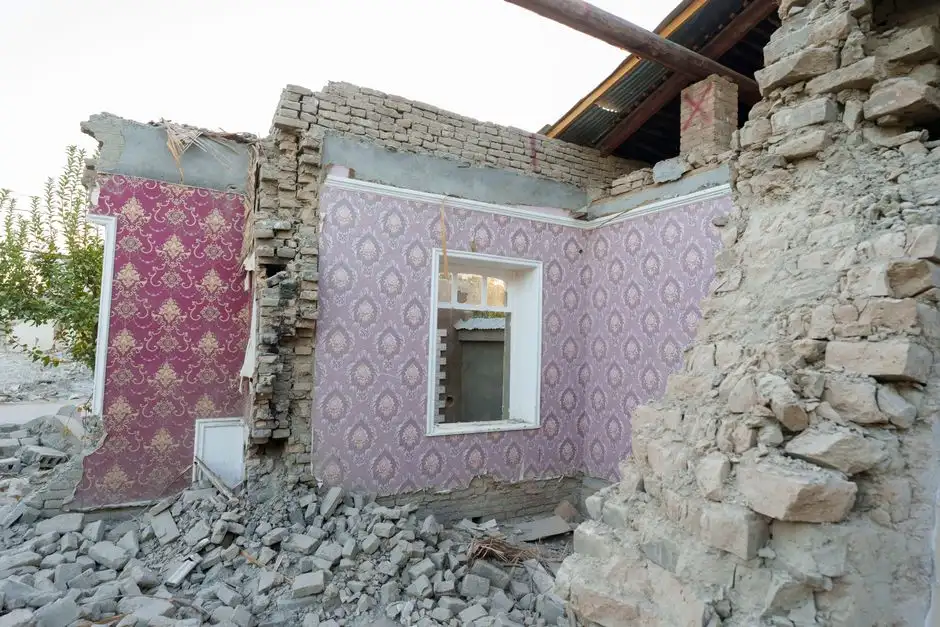
Hardwood flooring in a Dunlawton home started cupping near the kitchen. No visible water, no stain. The homeowner worried the whole floor would need replacing.
After: Thermal imaging showed a wet footprint under about 40 square feet of flooring. We dried the affected boards in place and coordinated the slab leak repair. Only four boards needed refinishing, not a full floor replacement.
Book this service →
A Cypress Head homeowner noticed a faint musty smell in a hallway but saw no water. The attic air handler had been dripping condensate into insulation for weeks.
After: We scanned the attic, mapped a 60 square foot wet zone around the air handler, and replaced the saturated insulation. The ceiling below metered dry after three days of targeted drying.
Book this service →Most water damage in Port Orange starts small and stays invisible until it has done real harm. Thermal imaging and moisture mapping catch these problems while they are still cheap to fix.
Ask a pro →We scan the wall with an infrared camera, confirm the wet cavity with a moisture meter, and map how far the moisture traveled. Then we dry the cavity and treat framing with antimicrobial solution so the wall is clean, not just dry.
Thermal imaging shows the wet footprint on the slab, and we meter the flooring to find the edges. We dry the affected area and coordinate the slab leak repair so the source stops feeding the problem.
We scan the air handler and surrounding attic decking, map the wet zone, and replace saturated insulation. The ceiling below gets metered to confirm no moisture reached the drywall.
We map the ceiling and attic with thermal imaging to trace the water path back to the roof entry. Then we tarp if needed, dry the wet structure, and repair the ceiling at the true affected area.
Most residential moisture mapping and thermal imaging visits in Port Orange run $150 to $450 in 2026, depending on square footage and how many rooms we scan. If the inspection leads to drying work, we often fold the mapping cost into the overall job. You get the price before we start, and there is no charge for the phone consult.
Water evaporating off a wet surface cools it slightly, and an infrared camera reads that temperature difference. We scan walls, ceilings, and floors for cool bands, then confirm each spot with a pin-type moisture meter. In Port Orange, this catches HVAC condensate leaks, roof leaks, and slab leaks that leave no visible stain.
A standard single-family scan takes 45 to 90 minutes on site. A 2,000 square foot home with one affected area usually runs about an hour. Larger homes, crawl spaces, or multi-room flooding can take two to three hours. You get the map and drying plan the same visit.
Thermal imaging finds the moisture that feeds mold, not mold itself. If a wall reads wet, we flag it for mold inspection and testing. Catching the moisture early, often within 24 to 48 hours, is what prevents hidden mold growth from taking hold in the first place.
Water behind a wall does not dry on its own. Call Water Damage Restoration Port Orange Pros and we will scan, map, and hand you a drying plan the same day. Licensed, insured, and answering 24/7.
Book a Thermal Scan +13861234567 →Call us any time, day or night. We answer 24/7 and dispatch crews across Port Orange and Volusia County. Most addresses see us within 60 minutes. You can also email us for non-emergency questions or to schedule an inspection.